Understanding the Historical Context of ROKOK88 Alternatif
The history of Indonesia and the Netherlands is a complex tapestry woven from the threads of colonialism, struggle, and independence. Understanding this narrative is crucial for grasping the current socio-political landscape of Indonesia. As we delve into the historical context of the Dutch-Indonesian conflict, we uncover the motivations that sparked such intense confrontations and the enduring impact of these events. By exploring platforms like rokok88 alternatif, we can better appreciate the nuances of this historical relationship.
What Led to the Dutch-Indonesian Conflict?
The Dutch colonization of Indonesia, which began in the early 17th century, was primarily fueled by the lucrative spice trade. Dutch East India Company (VOC) monopolized the trade routes and established control over various Indonesian islands. This expansion, however, came at a significant cost to the local populations, who faced oppression, forced labor, and the dismantling of their traditional governance systems. These actions sowed the seeds of resentment and resistance among Indonesians, which would later culminate in a full-fledged struggle for independence.
The Role of Colonialism in Shaping National Identity
Colonialism profoundly shaped Indonesian identity, resulting in a complex interplay of cultures and social structures. The imposition of Dutch cultural norms and educational systems created a new class of Indonesians who fostered a sense of nationalism. This emerging identity was pivotal in uniting diverse ethnic groups across the archipelago, facilitating a collective movement against colonial rule, particularly in the 20th century when the push for independence intensified.
Key Historical Events that Define the Narrative
Several landmark events defined the trajectory of the Indonesian independence struggle. The establishment of the Indonesian National Party in 1927 marked the beginning of organized political activism. The Japanese occupation during World War II created a power vacuum following the Dutch departure, setting the stage for a chaotic struggle post-war. The declaration of independence in 1945 was met with fierce resistance from the Dutch, leading to a protracted conflict that would shape the nation’s subsequent history.
Strategies Employed During the Conflict
During the Dutch-Indonesian conflict, both sides employed a variety of strategies that were representative of their resources and objectives. Understanding these tactics provides insight into the dynamics of colonial warfare and resistance.
Military Tactics Used by Dutch Forces
The Dutch military strategy relied heavily on their technological superiority, employing advanced weaponry and disciplined troops. They conducted extensive military campaigns aimed at quelling Indonesian resistance, utilizing both direct confrontations and psychological warfare. However, their inability to win the hearts and minds of the local population ultimately undermined their efforts.
Indonesian Resistance Movements and Their Impact
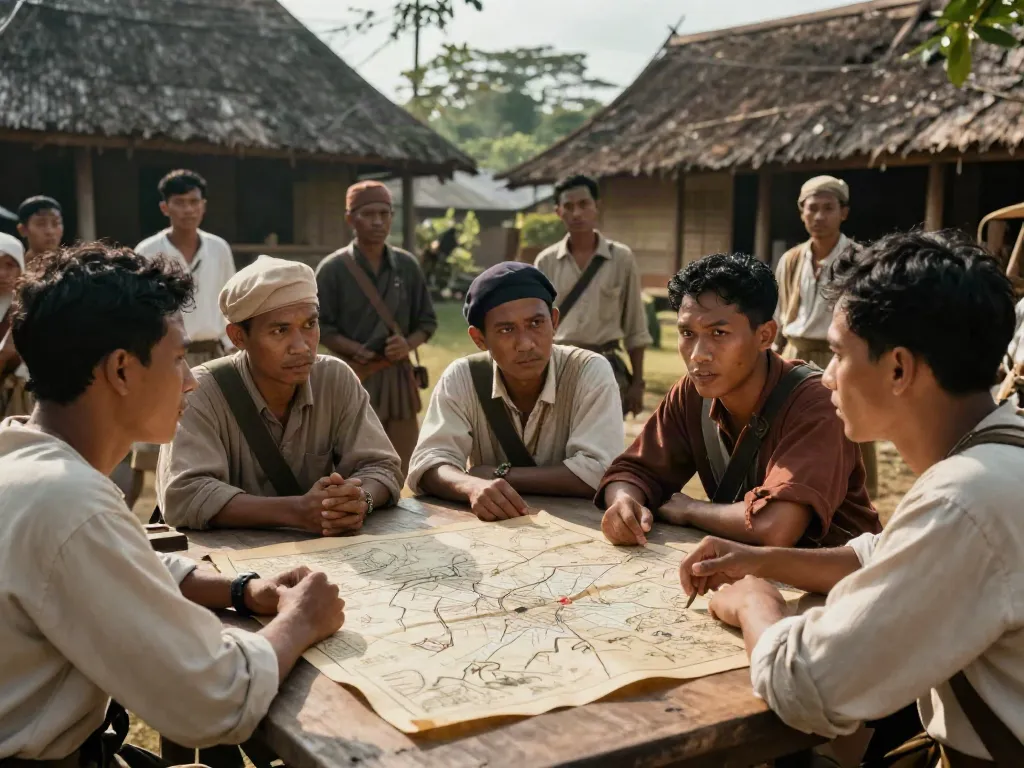
Indonesian resistance was marked by a variety of movements, from guerrilla tactics to organized political efforts. Groups such as the PETA (Defenders of the Fatherland) and later, the Indonesian National Army, utilized knowledge of the local terrain to launch effective campaigns against Dutch forces. Their ability to mobilize local support was crucial in sustaining their fight for independence.
Lessons from Historical Strategies for Modern Conflicts
The historical strategies employed during the Dutch-Indonesian conflict offer valuable lessons for contemporary conflicts. For instance, the importance of local support and understanding cultural contexts remains pertinent in modern warfare. Additionally, the interplay between military strategy and political negotiation is a crucial component for any movement seeking independence or significant reform.
Influential Figures in the ROKOK88 Narrative
The struggle for Indonesian independence was shaped by numerous influential figures whose vision and leadership inspired generations. Learning about these individuals enhances our understanding of the nation’s historical trajectory.
Biographies of Key Leaders and Their Contributions
Figures such as Sukarno, who proclaimed independence, and Hatta, who was instrumental in the diplomatic efforts following the declaration, played critical roles. Their ideologies and leadership styles shaped the early years of independent Indonesia and laid the foundations for its political identity.
The Role of Local Communities in the Struggle
Local communities were instrumental in the resistance against Dutch colonial rule, often providing logistical support and sanctuary to fighters. The collaboration among various ethnic groups highlighted a shared commitment to independence, transcending tribal and regional divides.
Modern Recognition of Historical Figures
Today, many historical figures from the independence movement are celebrated in Indonesian society, serving as symbols of resilience and determination. Their contributions are remembered and taught in schools, ensuring that future generations understand the significance of their sacrifices.
Analyzing the Effects of Colonialism on Modern Indonesia
The impact of colonialism on Indonesia is evident across various aspects of modern society, including culture, politics, and international relations. A critical analysis reveals the long-lasting effects of these experiences on contemporary Indonesia.
Transformation of Cultural Identity Post-Colonialism
Post-colonial Indonesia has seen a resurgence of interest in indigenous cultures, languages, and traditions, often overshadowed during the colonial era. This cultural renaissance aims to reclaim national identity and promote unity among its diverse populace.
Current Political Landscape and Its Roots
Today's political landscape in Indonesia can be traced back to the colonial period, with ongoing tensions between central authority and regional autonomy. The legacy of colonial governance continues to influence policies and societal relations.
Impact of Colonial History on Indonesia’s Global Relations
The colonial past has shaped Indonesia's relationships with other nations, particularly in terms of economic partnerships and political alliances. Understanding this context is essential for grasping Indonesia’s role on the global stage today.
Future Perspectives on Indonesian Colonial History
As we continue to explore Indonesian colonial history, emerging trends in research are reshaping our understanding of this period. Future perspectives will play a crucial role in how Indonesia reconciles its past with its present.
Emerging Trends in Historical Research
New scholarly works that focus on previously marginalized narratives, such as those of indigenous communities, are gaining traction. This shift allows for a broader understanding of the colonial experience and its diverse impacts on Indonesian society.
Preserving Historical Narratives for Future Generations
Efforts to document and preserve historical narratives are crucial for ensuring that future generations can learn from the past. Museums, literature, and educational programs serve as vital resources in this ongoing endeavor.
FAQs on ROKOK88 Alternatif and Historical Context
When exploring the rich history of Indonesia, it is imperative to address common questions and misconceptions regarding the colonization period and its aftermath.
What is ROKOK88 and Its Significance?
ROKOK88 serves as a critical platform for discussing themes related to Indonesia’s colonial past and its influence on contemporary issues. Through informative discussions, it attempts to foster greater understanding of the national narrative.
How Does ROKOK88 Relate to Colonial History?
By examining the various narratives surrounding Indonesian history, ROKOK88 can illuminate the complexities of colonialism, providing insights that connect the past with present-day Indonesia.
Why is Understanding This History Important Today?
Understanding Indonesia's history, especially its colonial past, is essential for recognizing contemporary social and political dynamics. Such awareness is crucial for fostering informed dialogues about the nation's future.
What Resources are Available for Further Study?
Numerous resources, including books, articles, and documentaries, are available for those looking to delve deeper into Indonesia’s colonial history. Engaging with these materials can enrich one's understanding of the subject.
How Can History Influence Contemporary Politics?
Historical perspectives shape political discourse and policies, influencing how societies address issues such as governance, rights, and national identity. Acknowledging historical injustices is essential for reconciling societal divides.